Putting Christ in the Center of the Conversation
by Campus Pastor Scott Lisea
With our country and campus in this moment of racial reckoning, I want to be proactive in shaping and influencing the conversation in our chapel programs so it comes from a place of faith and commitment to community. I believe the Kingdom of God offers real guidance on these core issues of the human heart. Not only do we need to have these hard conversations, but we need to address them as a Christian community—with Christ in the center—unafraid of disruption, pain and confrontation.
To that end, we constructed two series in chapel for the fall semester to help us engage thoughtfully and faithfully. First, we worked with Carmel Saad, associate professor of psychology, to construct a six-week series, Breaking the Implicit Bias Habit: Uniting Communities. She drew on her psychological research, her own experience and faith, and the scriptural instruction to love one another to help us become aware of our unconscious biases.
Then we embarked on a second six-week series, this one with David Bailey and the team from Arrabon, Race, Class and the Kingdom of God. A seasoned agent for reconciliation from Richmond, Virginia, David speaks frequently on this topic. Arrabon equips Christian leaders and their communities with the resources to effectively engage in the work of reconciliation, training organizations, schools and agencies across the country. We hope this series will help us develop as a reconciling community, something David sees as central to our identity and calling as Christians. He’ll continue working with Westmont during the next two years and will speak in chapel.
Last year, we joined with the Black Student Union to help develop chapels in February for Black History Month. We sought to encourage the rest of the community to participate in their own spheres of influence. This year, we reached out to the Latino Student Association to provide weekly programming. We asked them to help educate our community on some of the rich theological and spiritual offerings from our Latino/a brothers and sisters in the church. The students did a good job of creating thoughtful reflections.
As we engage in what faithful leadership looks like in this season, I’m more convinced than ever of the importance of placing Christ in the center of the conversation and learning from older saints who thought deeply about how they expressed their faith in action. This central tenet of evangelical Christianity has somehow lost its prominence and is once again gaining proper attention. We have a lot to learn from those who have come before us, including people like Clarence Jordan, Martin Luther King Jr., John Lewis, Oscar Romero, Sojourner Truth and Mother Theresa.

|

|

|
|

|
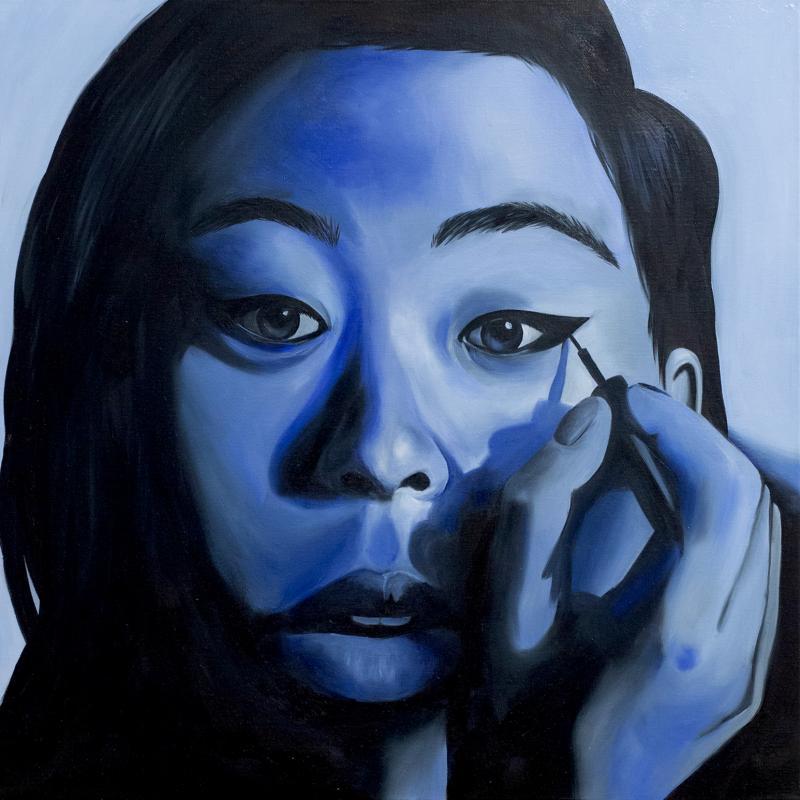
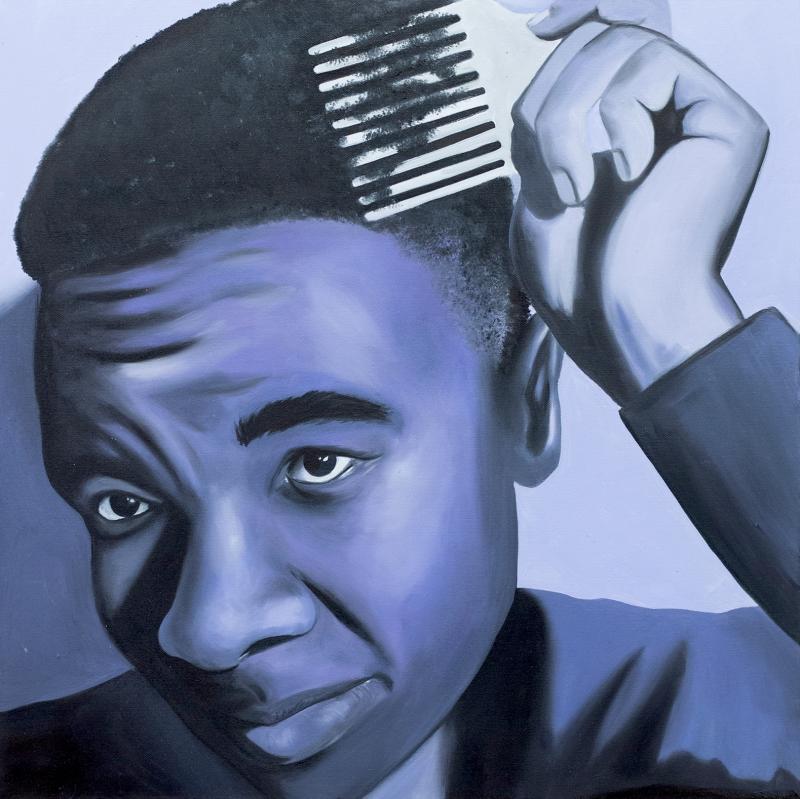
Paintings by Julianna Carl '20
Enhancing the Study of Social Injustice and Race-Related Issues
The killing of George Floyd and Breonna Taylor and other violence against Black individuals have reenergized the national conversation on racial issues and highlighted an enduring history of violence and injustice disproportionately affecting Black people. In response, Westmont is reexamining its curriculum to better address race-related issues in a variety of disciplines and engage students in important study and discussions in class.
“As a Christian liberal arts community, we have a responsibility to understand more fully how systems of privilege have created inequities and injustice,” says Provost Mark Sargent. “We need to devote considerable energy to preparing ourselves and our students to lead the efforts for racial understanding in this moment and for a new generation. Integrity calls us, especially as Christians, to self-reflection and re-evaluation of some of our own pedagogical tendencies and curricular choices and how they impede or advance justice.”
A number of new academic initiatives focus on racial issues in an ongoing effort to strengthen the curriculum and better prepare thoughtful Christians able to participate in the conversation on racial issues and take appropriate action.
Ethnic Studies Minor
Last spring, the Academic Senate approved the revised Ethnic Studies minor, which we continue to expand and refine. The work this fall includes crafting the core interdisciplinary seminar for the minor (to be offered in spring) and shaping new courses for inclusion in the curricular options. Political science, for instance, is working on one new offering, Race and Politics.
General Education Appraisal
Westmont’s general education program was crafted almost two decades ago and places a clear emphasis on diversity and culture, but less on understanding race and injustice. Building on some groundwork done last spring, the Academic Senate—the college’s curriculum committee—will be appraising our criteria for approving courses and considering new courses or requirements that will ensure graduates gain a fuller understanding of Christian perspectives and new disciplinary research on race, equity and inclusion.
Workshop on Advancing Racial Equity
At a midpoint in the semester, we’ll launch a year-long workshop for faculty on Advancing Racial Equity, designed to equip professors to assess their own work through the lens of racial equity and maintain an inclusive and welcoming environment for students of all social identities and cultural backgrounds. Led by Carmel Saad, the program will help us develop a shared language and shared vision and urgency for racial equity and acquaint faculty with field-tested tools and strategies for integrating equity and inclusion in their work. The workshop will examine themes of privilege, internalized racism, implicit bias, and explicit bias, and biblical themes related to truth, justice, and reconciliation.
Student Focus Groups and Diversity Assessment
During the summer, several faculty leaders held listening sessions with students to learn about their experience and perspectives. Their observations and critiques have yielded a number of good insights that will shape our curricular conversations and our faculty development program. We’ll follow up on the questions raised in these conversations with more surveys and focus groups as part of our annual Institutional Learning Outcome assessment, which is focused this year on diversity and global engagement.
Gaede Institute Conversation
Last spring the Gaede Institute for the Liberal Arts hosted its annual Conversation on Still Dreaming: Race, Ethnicity, and Liberal Arts Education. The next Conversation (scheduled for May 2021 in the hope of meeting in person) will focus on the impact of the pandemic on the liberal arts, including the way it has exposed inequities in our society and services.
Several Specific Course and Departmental Projects
Several faculty and departments have undertaken curricular revision projects. At a Faculty Forum this fall, eight professors gave short reports on their own efforts.