New Lens on Iconic Photographer: Museum Offers ‘Adams 1940S Los Angeles’

The Westmont Ridley-Tree Museum of Art offers a groundbreaking exhibition that reveals a little‑known chapter of America’s most celebrated photographer in “Beyond the Wilderness: Ansel Adams in 1940s Los Angeles,” from Jan. 15-March 28. The museum hosts a free, public, opening reception for the exhibition on Thursday, Jan. 15, from 4-6 p.m.
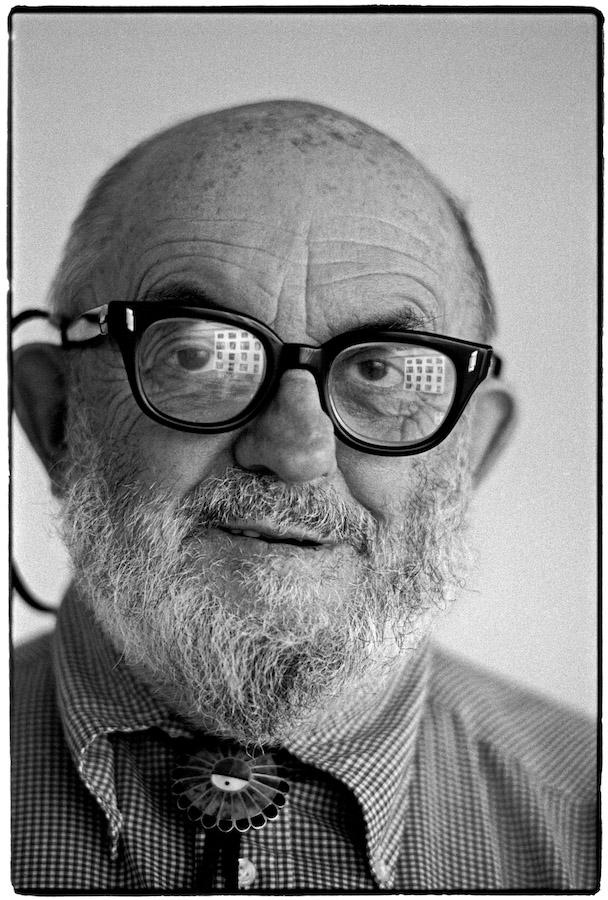
While Adams has earned universal recognition for his majestic black‑and‑white landscapes and his pioneering Zone System, this show spotlights a body of work that diverges sharply from his familiar wilderness imagery.
Many of the featured works in the exhibition come from the collection of the Los Angeles County Public Library. The photographer offered them a series of 217 negatives portraying 1940s Los Angeles in the lead-up to World War II. Adams shot the images on assignment for Fortune magazine to document the lives of workers in Los Angeles’ booming aviation industry driven by aircraft company giants Douglas, Lockheed and Northrop.
“Unlike many of Adams’ nature images, these offer us a raw and untouched glimpse into his eye for setting up and framing a photograph, instinct for finding rhythm and structure in everyday scenes, and willingness to experiment beyond the boundaries of his established aesthetic,” says Chris Rupp, interim museum director.
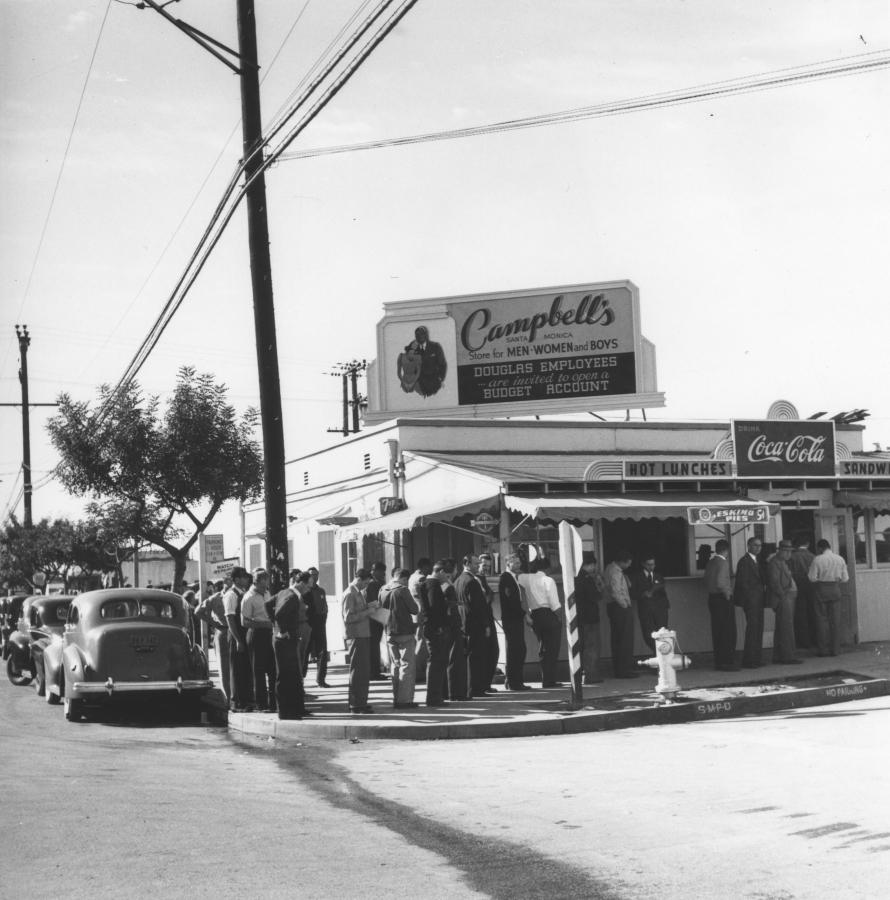
Adams became well known for his love of nature, his pioneering efforts toward conservation and environmental stewardship, and his moral convictions regarding the United States’ internment of Japanese Americans.
The exhibition includes many of his iconic wilderness images, including three of his most famous landscapes on view in large format.
“Viewed together, the photographs in this exhibition remind us that Ansel Adams was far more than the maker of pristine wilderness icons,” Rupp says.
“He was an artist attentive to the world as it was and how it ought to be. Whether documenting factory workers on the brink of war, confronting the injustice of incarceration at Manzanar, or shaping luminous visions of the Sierra, Adams used his camera to advocate for dignity, clarity and stewardship.”
The museum is free and open to the public weekdays 10 a.m.-4 p.m. and Saturdays 11 a.m.-5 p.m.; it’s closed on Sundays and college holidays. To learn more about the museum, upcoming museum events, or becoming a museum member visit: www.westmont.edu/museum.