Study the Love of God through the Love of Earth
Career Opportunities
Environmental consulting Environmental policy and law (J.D., L.L.M.) Sustainable development Conservation and natural resource management Urban and regional planning Climate science and advocacy Renewable energy and energy policy Environmental education (K–12, outdoor, museum, non-profit) Ecotourism and sustainable business Public health and environmental justice | Nonprofit and NGO leadership Government and regulatory agencies (EPA, NOAA, local/state environmental offices) Environmental journalism and communication Waste management and pollution control Agriculture and food systems sustainability Wildlife and habitat conservation Corporate sustainability and ESG (Environmental, Social, Governance) roles Research and academia Environmental data science and GIS analysis |
See Career Paths for Graduates Who Studied Environmental Studies at Westmont
Alumni Stories
Philip Smythe ’23 has held a range of seasonal roles since graduating, including work as a scientific diver for a freshwater mussel consulting company and now as a fish hatchery technician with Idaho Fish and Game. He values the interdisciplinary nature of his environmental studies major, which gave him a broad perspective on how multiple fields engage with complex environmental issues.
Grace Gantt ’25 is beginning a Master’s in Theology and Ecology at Princeton Theological Seminary. As an environmental studies major at Westmont, she found a passionate community and discovered her specific interests within the field. She was especially shaped by her involvement in sustainable development efforts on campus.
Examples of Internship Opportunities
Channel Islands Restoration Deckers ECOFaith of Santa Barbara Gaviota Coast Conservancy Santa Barbara Botanic Gardens Santa Barbara County Board of Supervisors | Santa Barbara Museum of Natural History Santa Barbara Wildlife Care Network Santa Barbara Zoo The Land Trust for Santa Barbara County Westmont Garden Wilderness Youth Project |
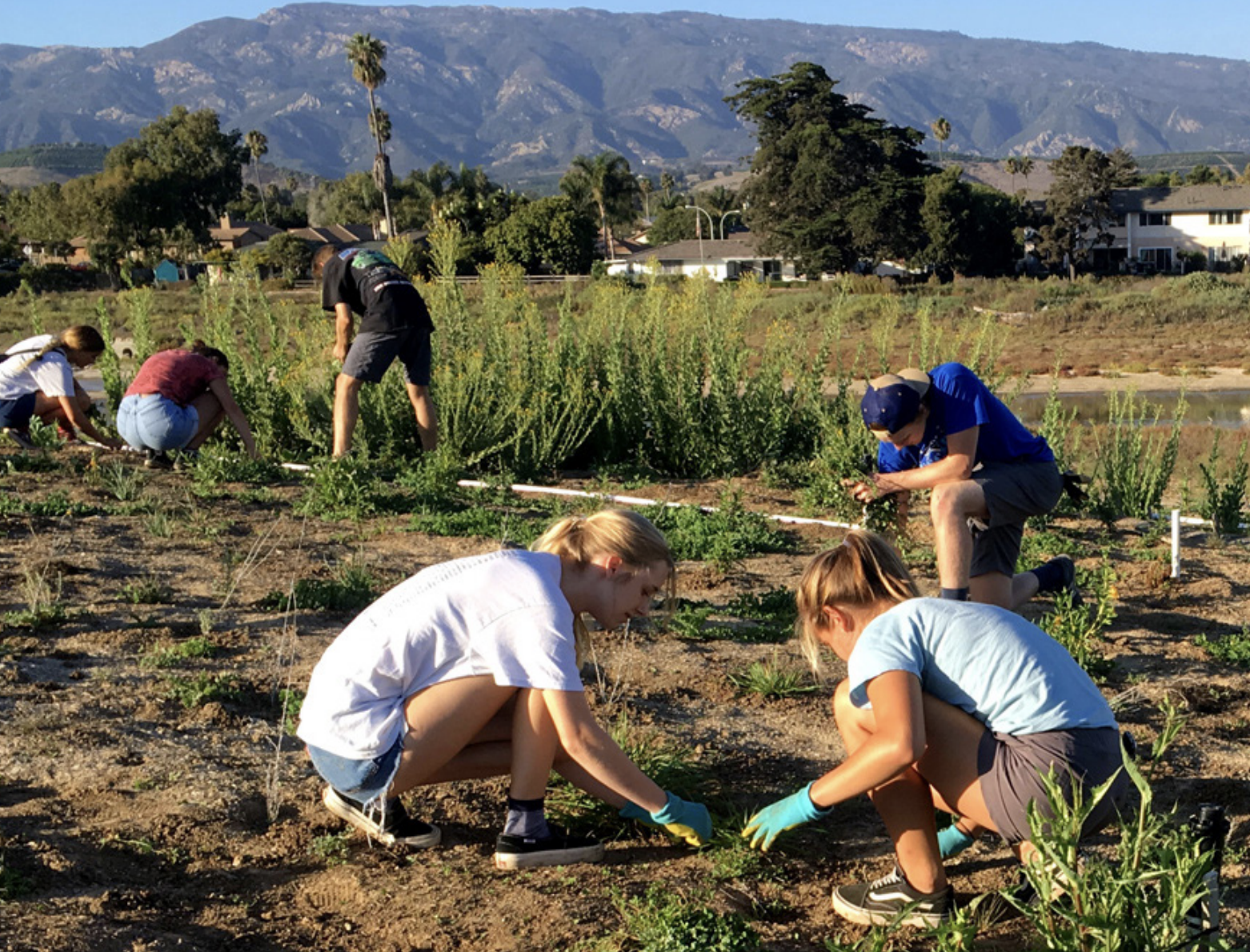
Sustainable Westmont
Westmont College’s Sustainable Westmont initiative blends a passion for environmental stewardship with the school’s Christian values, encouraging sustainable practices across campus and community. The program highlights hands-on efforts—from organic gardening and woodland restoration to mindful waste reduction and biodiversity projects—that reflect a deep commitment to caring for God’s creation while fostering education and community involvement.
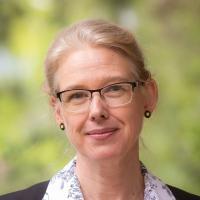
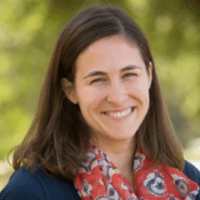
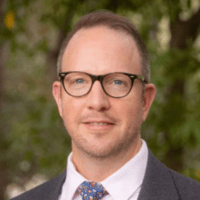
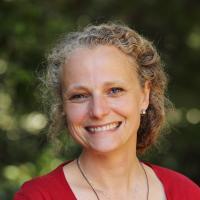
Environmental Studies Program Directors

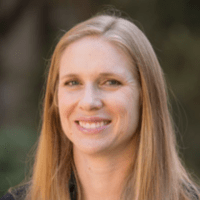
CHRISTINE SEIBERT
Assistant Director of Environmental Studies Program














Events and News

Offering Grants for Climate Projects
In the last two summers, Westmont has hosted more than 100 evangelical students, professors and nationally recognized experts for conferences about Christian climate advocacy. The Faith.Climate.Action. Workshop, funded by the Arthur Vining Davis Foundations, now provides nearly $40,000 in grants to support sustainability initiatives for eight members of the Council for Christian Colleges and Universities (CCCU).
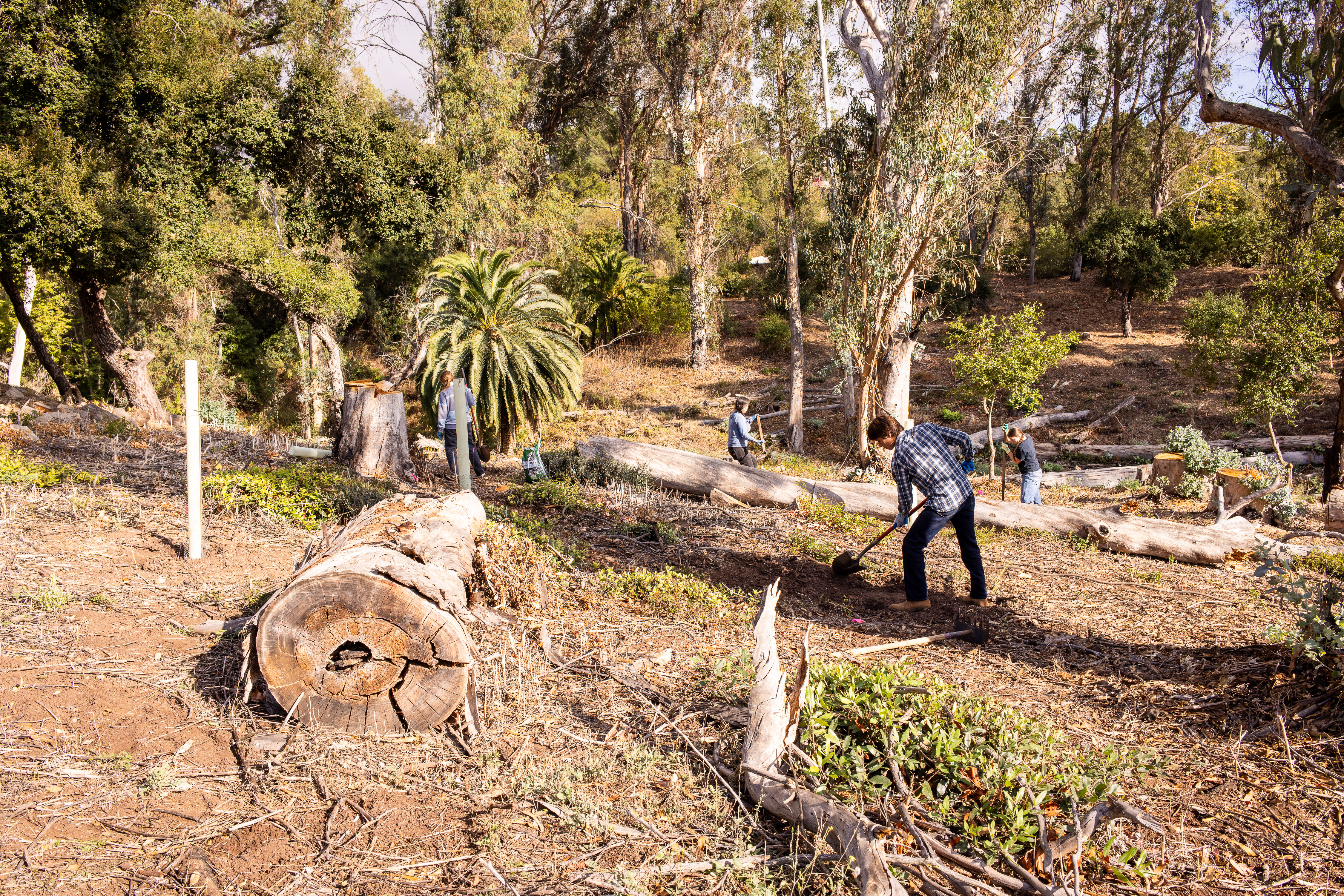
Growing Oaks Offer Wildfire Resilience
A Westmont biology class is celebrating the growing success of an oak woodland restoration project in the barranca along the westside of Westmont’s campus. Nearly all of the 60 coast live oaks that were planted along the dry Westmont Creek in November 2023 are surviving and many have grown more than three feet tall.
Abroad Opportunities
- Au Sable Institute for Environmental Studies, Michigan or Puget Sound
- Creation Care Study Program, New Zealand or Belize
- Oregon Extension
Organization for Tropical Studies, South Africa
Campus Compost
We're composting food waste from the Dining Commons and Global Leadership Dorm Kitchens in our own garden! The fresh soil is added to our rows to grow veggies for the campus community.
To get involved, join the Garden Club, apply for an internship in the garden, or take the PEA class Active Gardening for credit!
Supporting Student Projects
Students provide a wealth of ideas and enthusiasm for sustainability at Westmont! Recent projects include adding a sustainability layer to the Westmont campus map, launching a free little (mug!) library near Ritchie’s, and increasing our recycling efforts for hard-to-recycle items.
If you’re a Westmont student with a campus sustainability idea, reach out to Prof. Seibert!
Careers in Environmental Studies Lecture Series
To support students interested in sustainability across all majors, we host a lecture series highlighting various career paths available. So far, we’ve hosted Uber’s Head of Electrification, a UCSB researcher working on environmental toxin exposure, and a community organizer.
We hope you join us at the next lecture!
Program Features
Year 1
- ENV 001 Introduction to Environmental Studies (4)
- ENV 002 Environmental and Earth Science (4)
Year 2
- PHI 115 Environmental Ethics (4)
- ENV 101 Introduction to GIS (4)
Year 3
- Natural Science/Social Science/Humanities Elective (4)
- Natural Science/Social Science/Humanities Elective (4)
- Natural Science/Social Science/Humanities Elective (4)
Year 4
- Natural Science/Social Science/Humanities Elective (4)
- ENV 195 Environmental Studies Capstone (1)
- ENV 198 Environmental Studies Research or ENV 190 Environmental Studies Internship (4)
- Marine Biology
- Animal Diversity
- General Ecology
- Ornithology/Herpetology
- Plant Classification and Biodiversity
- Restoration Ecology
- Chemistry, Culture and the Environment
- Physics for Future Presidents
- Food Systems
- Environmental and Natural Resource Economics
- Perspectives on World History: Environment
- Environmental History of the Holocaust
- California Experience
- International Development
- Environmental Politics
- Environmental Sociology
- Land into Landscape: The Anthroposcenic Imagination
- Composition: Environment
- Studies in Literature: Environment
- Topics in Writing: Nature Writing
- Persuasion and Propaganda
- Argumentation and Advocacy
- Pentateuch: The Book of Deuteronomy
- Prophetic Literature of the Old Testament: Isaiah
- The Apocalypse
- Gender in Theological Perspective
- Screen Printing
- Writers in Conversation: Dystopian Fiction
- Modern Grammar and Advanced Composition
- Trail Hiking and Running
- Allison Lab
- Sparkman Lab
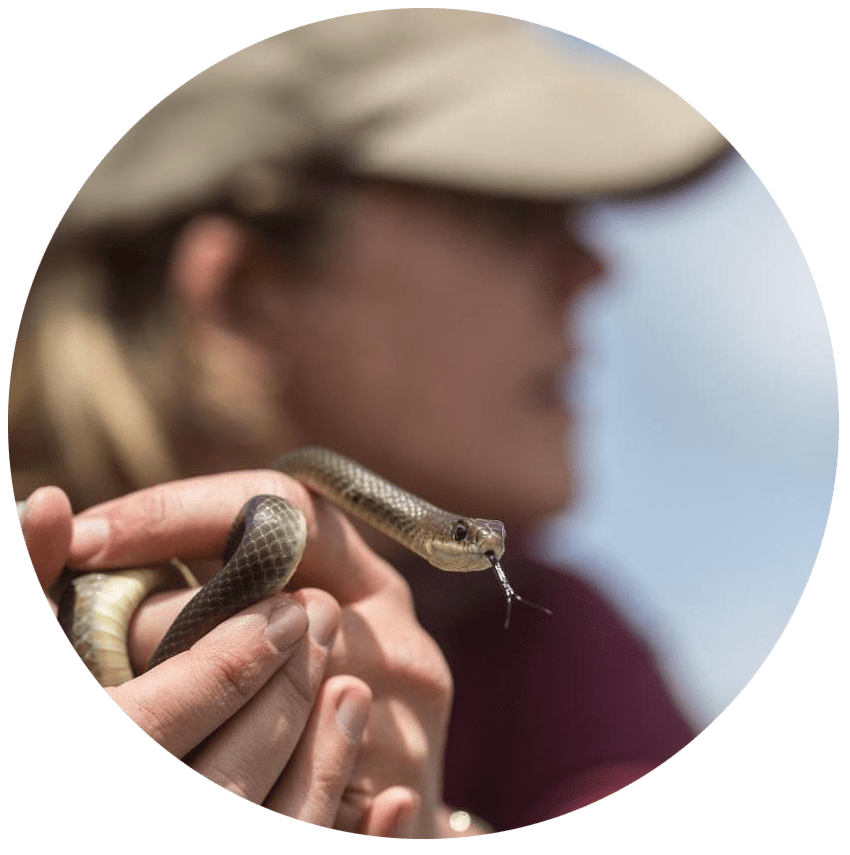
- The Sparkman Lab explores the ecology, evolution, and conservation of snakes, lizards and birds across California.
- Contakes Lab
- Schultheis Lab
- The Drake Schultheis Lab investigates plant adaptations and responses to drought, plant-fungal interactions, and the ecology of fire. Research focuses on fuels management, as well as chaparral recovery and restoration following wildfire across California.
A strong education in environmental studies will prepare you in innumerable ways for careers in governmental, academic, for-profit and/or non-profit institutions. Potential career paths include environmental law, green business, science journalism, wilderness therapy, outdoor education, natural resource management, restoration ecology, and sustainable agriculture.
Curious about where a major in Environmental Studies can take you?
Explore these exciting and impactful career opportunities:
- Environmental consulting
- Environmental policy and law (J.D., L.L.M.)
- Sustainable development
- Conservation and natural resource management
- Urban and regional planning
- Climate science and advocacy
- Renewable energy and energy policy
- Environmental education (K–12, outdoor, museum, non-profit)
- Ecotourism and sustainable business
- Public health and environmental justice
- Nonprofit and NGO leadership
- Government and regulatory agencies (EPA, NOAA, local/state environmental offices)
- Environmental journalism and communication
- Waste management and pollution control
- Agriculture and food systems sustainability
- Wildlife and habitat conservation
- Corporate sustainability and ESG (Environmental, Social, Governance) roles
- Research and academia
- Environmental data science and GIS analysis